Are Artistic QR Codes Scannable? The Science Behind Codes That Look Like Art
You've seen QR codes with hearts drawn through them, codes that look like anime paintings, codes with words written across the modules. Are they a gimmick that fails half the time — or genuinely reliable? The answer depends entirely on which parts of the code the artwork touches. Three properties of the QR standard make art possible.
1. Error correction: the ~30% damage budget
Every QR code embeds Reed–Solomon error-correction data. At the highest level (H), roughly30% of the code's modules can be wrong — covered, flipped or damaged — and the message still decodes perfectly. This budget exists so codes survive scratches and dirt, but designers can "spend" it on a centered logo or on artistic liberties instead. That's the entire trick behindlogo QR codes.
2. Center sampling: scanners only look at module centers
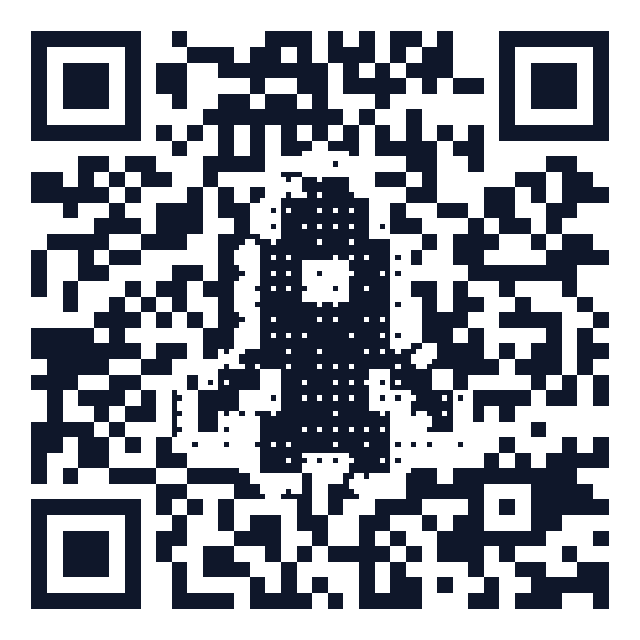
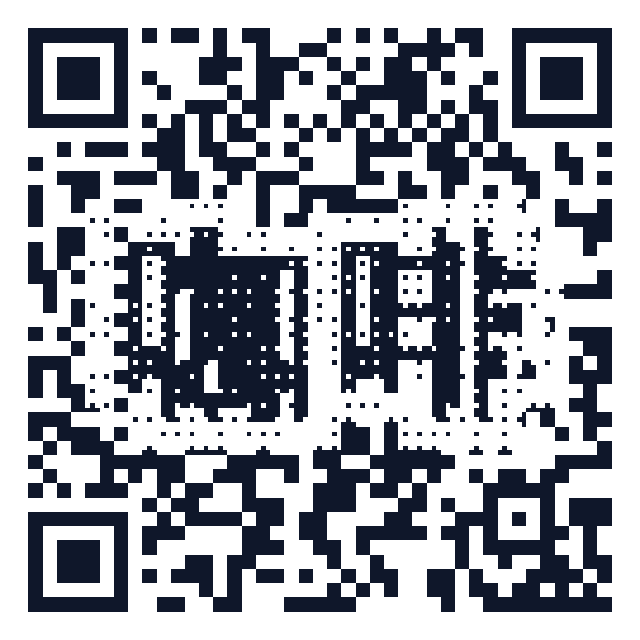
A decoder doesn't inspect every pixel. After locating the code, it lays a grid over it and samplesone point near the center of each module. Everything outside those sample points is, to the scanner, decoration. Halftone techniques exploit this: subdivide each module 3×3, keep the true value in the center subcell, and paint the 8 outer subcells with artwork. The picture is woven through the whole code while the sampled data stays untouched — this costs almost none of the error budget.
3. Function patterns: the untouchable 15%
Some regions are not protected by error correction and must stay intact:
- Finder patterns — the three big corner squares scanners use to locate the code.
- Timing patterns — the alternating line between corners that establishes the grid.
- Alignment patterns — small squares that correct for perspective distortion.
- Format/version strips — encode the error-correction level and mask.
- Quiet zone — the empty border; art bleeding into it breaks detection outright.
Well-built artistic generators render these solid and route the artwork around them. Codes that fail in the wild usually failed here — or used low contrast.
So which artistic codes are reliable?
- Deterministic + verified (halftone pixel art, styled modules, center logos): reliable enough to print, if the generator verifies the output with a real decoder. Our pixel art generator refuses to serve any code its built-in reader can't decode.
- Generative AI art (Stable Diffusion/ControlNet): treats the whole image as soft guidance; contrast between "modules" varies, so scan rates are unpredictable. Fine for social media, risky for print. See the three picture-in-QR methods compared.
Design rules that keep artistic codes scannable
- Error-correction level H whenever art or a logo is involved.
- Dark modules noticeably darker than the background — aim for strong contrast; scanners binarize the image.
- Never obscure finder, timing or alignment patterns, and preserve the quiet zone.
- Machine-verify before shipping: decode the actual exported file, not the preview.
- Print at 2×2 cm minimum and test with two different phones.
FAQ
Do artistic codes scan slower? Marginally — a well-formed halftone code typically decodes as fast as a plain one, because the sampled centers are identical.
Does a colored or gradient code hurt scanning? Not if contrast stays high. Avoid light-on-dark inversion; many older readers assume dark modules on a light background.
Can artistic codes expire? Styling and expiry are unrelated. Static artistic codes never expire; dynamic ones live as long as the redirect service honors them.
Generate a free QR code that never expires
No signup. No subscription. Generated in your browser.
Open the free generator →